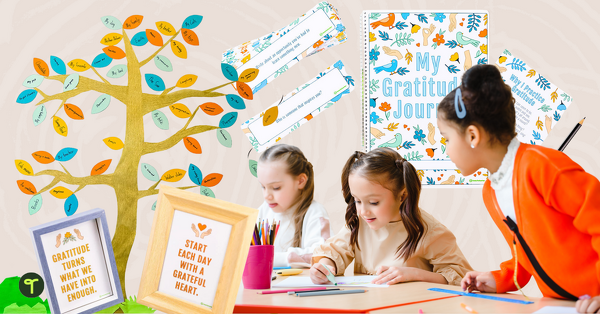
In today’s fast-paced, consumer-driven society, children are constantly surrounded by messages telling them they need the latest gadget, the newest toy, or the trendiest clothes to be happy. While there’s nothing wrong with enjoying nice things, the danger lies in raising kids who measure their worth by what they have instead of who they are.
That’s where gratitude comes in a simple yet powerful value that can transform not only how children view the world, but also how they interact with it.
Why Gratitude Matters for Kids
Gratitude isn’t just about saying thank you. It’s about recognizing and appreciating the good in our lives, people, experiences, and blessings even when everything isn’t perfect. Research shows that grateful children are:
-
More empathetic towards others
-
Less prone to envy or entitlement
-
Better at managing stress and disappointment
-
Generally happier and more content
Practical Ways to Teach Gratitude
1. Be a Role Model
Children learn more from what they see than what they’re told. Make gratitude a visible part of your life by expressing thanks openly, whether it’s to a shopkeeper, a teacher, or a family member. Let your children witness your appreciation for both big and small acts of kindness.
2. Practice Daily “Thankfulness Moments”
Incorporate a short gratitude ritual into your day. At dinner or bedtime, ask each family member to name one thing they’re thankful for that day. This simple habit trains the mind to look for the positives.
3. Focus on Experiences, Not Just Things
Instead of rewarding children solely with material gifts, give them experiences a picnic in the park, baking together, or visiting grandparents. Over time, they’ll value shared moments over objects.
4. Encourage Giving
Involve your kids in acts of generosity, like donating toys they no longer use, helping a neighbor, or volunteering as a family. When they see the joy of giving, they begin to understand the two-way nature of gratitude.
5. Limit Overindulgence
It’s tempting to buy children everything they ask for, but setting limits teaches them patience and appreciation. A well-timed “not now” helps them value what they have.
6. Share Stories of Gratitude
Read books or tell stories about characters who are thankful, even in tough situations. This helps children see gratitude as a mindset, not a reaction to having “enough.”
Overcoming the Challenges
Yes, teaching gratitude in a material world can feel like swimming against the current. Social media, peer pressure, and constant advertising can erode a child’s appreciation. That’s why consistency is key — even small, regular reminders can leave a lasting impact.